
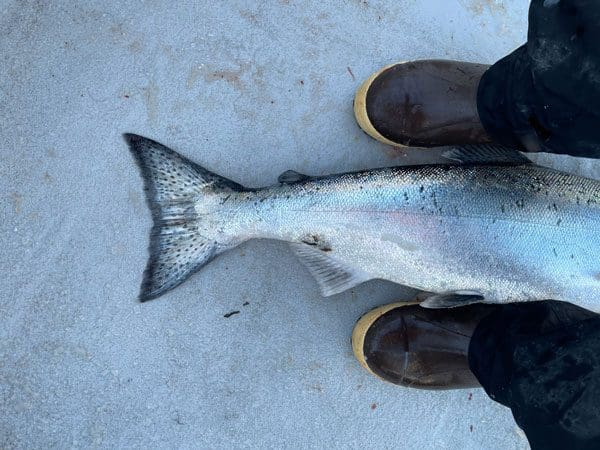
How to Freeze & Ship Fish from Alaska to Florida
A Practical Guide for Bringing Your Catch Home

If you’ve ever caught yourself daydreaming about tight lines, screaming reels, and snow-capped mountains, chances are Alaska is already living rent-free in your head.
Maybe you’re finding yourself deep in the planning phase — comparing lodges, watching halibut hit the deck on YouTube, picturing a salmon so big bright and beautiful it looks almost fake. Or maybe your one step ahead of us and that dream trip is already booked and you’re counting down the days.
Whatever the case may be, here’s the question most anglers don’t think about until the very last minute:
What happens to your fish after the photos are taken?
The truth is, Alaska shouldn’t be a once-and-done experience. That king salmon you worked hard for. That halibut that made your arms shake and heart race. Those fillets deserve more than a freezer-burned ending or a rushed, expensive mistake at the airport.
That’s where shipping your catch the right way comes in.
This guide breaks down how anglers all over the country are freezing and shipping their Alaska fish home safely, which species are actually worth the effort, and how to make sure your trip keeps paying off long after you’re back in the Lower 48.
If you’re going to fish Alaska…
You might as well enjoy it and all its glory all year long too.
Fishing in Alaska is a bucket-list experience — but the real win is enjoying your hard-earned fish long after the trip ends. Shipping fish from Alaska is simple, legal, and common when done correctly.
This guide walks you through how to freeze and ship fish domestically, which species are worth shipping, and includes a cheat sheet to help you decide what to bring home. Since I live in Florida, the format will be tailored that way to give you all a better example.
So let’s get started.
What Makes a Fish Worth Shipping?
Not every fish justifies the cost or effort. The best candidates for shipping share a few key traits:
- Firm or oily flesh that holds up after freezing
- High culinary value
- Excellent frozen quality
- Better value than buying at home
If a fish checks three or more of these boxes, it’s usually worth shipping.
Species Worth Shipping from Alaska
Share this post on your socials

Top-Tier Species (Almost Always Worth Shipping)
These species freeze exceptionally well and provide excellent long-term eating quality.
King Salmon (Chinook)
High oil content, rich flavor, and outstanding frozen texture.
Sockeye Salmon (Red Salmon)
Firm flesh, vibrant color, and excellent freezer performance.
Coho Salmon (Silver Salmon)
Mild flavor with good oil content that holds up well frozen.
Halibut
Dense, firm white meat that freezes extremely well when vacuum sealed.
Black Cod (Sablefish)
High fat content and premium eating quality — one of the best freezer fish.
Very Good Value (Worth Shipping with Quantity)
Lingcod
Firm white meat with good frozen quality.
Rockfish (larger species)
Excellent eating when properly processed and frozen quickly.
Conditional Species (Ship If It Makes Sense)
Pink Salmon (Humpy)
Lower oil content; best shipped if processed immediately.
Chum Salmon
Good smoked, but less desirable for freezing.
🚫 Generally Not Worth Shipping
- Small rockfish
- Poorly handled or delayed processing fish
- Fish under 5 lbs (low yield vs shipping cost)
How to Freeze & Ship Fish from Alaska to Florida
Shipping fish within the U.S. does not require export or FDA import paperwork, making it much more straightforward.
Step 1: Use a Licensed Alaska Fish Processor
Most Alaska lodges and charters coordinate this for you.
Processor responsibilities:
- Fillet and clean fish
- Vacuum seal portions
- Blast freeze to -18°C (0°F) or colder
- Label packages by species and weight
Typical processing cost:
$1.50–$3.00 per lb
Step 2: Freeze Solid Before Shipping
- Freeze fish solid for 48+ hours
- Portion into meal-size packages
- Avoid water glazing to prevent freezer burn
Step 3: Choose a Shipping Method
Option A: Air Cargo (Most Popular)
- Uses insulated seafood boxes with gel packs or dry ice
- Alaska Airlines Cargo is widely used
- Airport-to-airport shipping
Estimated cost:
$1.50–$3.00 per lb
50 lbs ≈ $75–$150
Option B: Overnight Courier (FedEx / UPS)
- Suitable for smaller shipments
- Higher cost than cargo
- Requires insulated fish boxes
Step 4: Delivery in Florida (or your state)
- Airport pickup (cheapest)
- Or final delivery to home for added cost
Alaska → Florida Cost Example (50 lbs)
| Item | Estimated Cost |
|---|---|
| Processing & freezing | $75–$150 |
| Air cargo shipping | $75–$150 |
| Packaging | $30–$75 |
| Total | $180–$375 |
Species Worth Shipping Cheat Sheet
| Species | Freezes Well | Value | Worth Shipping |
|---|---|---|---|
| King Salmon | ⭐⭐⭐⭐⭐ | High | ✅ Yes |
| Sockeye Salmon | ⭐⭐⭐⭐ | High | ✅ Yes |
| Coho Salmon | ⭐⭐⭐⭐ | Medium | ✅ Yes |
| Halibut | ⭐⭐⭐⭐⭐ | High | ✅ Yes |
| Black Cod (Sablefish) | ⭐⭐⭐⭐⭐ | High | ✅ Yes |
| Lingcod | ⭐⭐⭐⭐ | Medium | ✅ Yes |
| Rockfish (Large) | ⭐⭐⭐ | Medium | ⚖️ Depends |
| Pink Salmon | ⭐⭐ | Low | ⚖️ Depends |
| Small Fish (<5 lbs) | ⭐ | Low | ❌ No |
Final Rule of Thumb
If it freezes well, eats well, and saves you money compared to buying at home — ship it.
Tight Lines and Good Times


Leave a Reply