
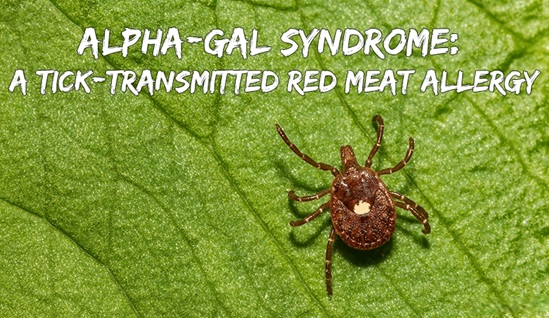
What to Know about Alpha-Gal Syndrome
By: Brittanie Benavidez, Hunt Horizon
It’s a very strange, surprising way to have one’s freedom removed”
The Growing Tick Problem in the U.S.
Ticks are rapidly expanding their range and remaining active for longer seasons across much of the United States. With them comes an many who spend time outdoors—hunters, anglers, hikers, gardeners, farmers, park rangers, wildlife biologists, the list goes on and on.
The reality is simple: no one is immune to tick bites.
Your best defense is prevention—avoiding bites in the first place and knowing how to safely remove ticks when you find them. Just as important, however, is being able to recognize early symptoms of tick-borne illnesses and seek proper treatment quickly.
This brings me into my next topic, actually an entire conversation I had with one of my closest friends. I have known him for about 15 years now and we have been out hunting together more times than I can count.
When I learned he had contracted Alpha-gal it was unreal how quickly his life changed and it was terrifying to see one of your loved ones go through such a tough time in their life. I caught up with Michael while I was getting this blog together and I will have his story. That Interview will be available Wednesday August 27th 2025 at 10am
Circling back, lets get started.
In this article, you’ll find a practical guide to the most common tick-borne threats, with a special focus on Alpha-gal Syndrome (AGS)—a condition I’ve seen firsthand through one of my own hunting partners—as well as a quick reference on Lyme disease.
“The best way to protect yourself and your family from AGS is to prevent tick bites.” (CDC)
Identifying Tick Species


Major Tick-Borne Diseases in the U.S.
- Lyme Disease (blacklegged/deer ticks): fever, fatigue, headache, and often an expanding rash (erythema migraines). Early cases respond well to antibiotics. (CDC)
- Rocky Mountain spotted fever (RMSF) (American dog tick, brown dog tick, others): high fever, headache, sometimes rash; treat immediately with doxycycline—don’t wait for lab confirmation. (CDC)
- Ehrlichiosis & Anaplasmosis (lone star tick; blacklegged tick): fever, chills, headache, muscle aches; treat with doxycycline (usually 5–14 days depending on illness). (CDC)
- Babesiosis (blacklegged tick): can be severe (hemolytic anemia, low platelets); treat with atovaquone + azithromycin (or clindamycin + quinine). (CDC)
- Powassan virus (blacklegged & other ticks): rare but increasing; no specific antivirals—care is supportive. (CDC)
- Alpha-gal Syndrome (AGS) (often lone star tick): a delayed allergic reaction to mammalian meat and other animal products—spotlight section below. (CDC)
Spotlight on Alpha-Gal Syndrome (AGS)
What is AGS- AGS is an allergy to the carbohydrate galactose-α-1,3-galactose (“alpha-gal”), which can develop after certain tick bites (in the U.S., often the lone star tick). Reactions typically occur 2–6 hours after eating red meat or other mammal-derived products (dairy, gelatin, and some medications).
“Alpha-gal syndrome (AGS) is a serious, potentially life-threatening allergy to alpha-gal that can develop after a single tick bite.” (CDC)
Common triggers
- Beef, pork, lamb/venison; organ meats; broths/gravies.
- Dairy (variable by person).
- Gelatin and certain medications/biologics containing mammalian ingredients (talk with your clinician and review all ingredients before consuming).
Symptoms of AGS (The first 8 Hours)
One of the most challenging aspects of Alpha-gal Syndrome (AGS) is that symptoms often appear on a delayed timeline. Usually somewhere between 2–6 hours after eating red meat or other mammal-based products. This “delay” makes it harder to connect the dots with what you ate over the reaction. This is absolutely one of those “time is of the essence” situations especially compared to common food allergies that cause an immediate response.
- Hives/itching, flushing, swelling of lips/tongue/eyelids
- Abdominal pain, nausea, vomiting, diarrhea
- Dizziness, trouble breathing; anaphylaxis in severe cases
Diagnosis
- Clinical history (delayed reactions after mammalian foods) plus a blood test for alpha-gal–specific IgE, guided by an experienced clinician/allergist.
- f AGS is suspected, your provider may order an allergy blood test:
- Alpha-gal–specific IgE blood test: Measures antibodies to the alpha-gal sugar molecule. A positive result, combined with symptoms, strongly suggests AGS.
- Skin-prick testing: This is less reliable for AGS than for other food allergies, but may be used to rule out other causes
Management & treatment
- Primary strategy: strict avoidance of foods/products that contain alpha-gal; prevent further tick bites. Carry epinephrine if prescribed.
- There is currently no cure or vaccine; symptoms may improve over time if you avoid new tick bites and strictly avoid triggers (course is individual).
“No treatment or cure is currently available.”
Lyme Disease: Symptoms & Treatment at a Glance
Early symptoms (3–30 days after bite)
- Erythema migrans expanding rash (often—but not always—present)
- Fever, chills, headache, fatigue, muscle & joint aches, swollen lymph nodes
Later symptoms (if untreated)
- Severe headaches/neck stiffness, additional rashes, facial palsy, arthritis (esp. knees), heart palpitations/heart block, nerve pain, shooting pains/numbness/tingling.
Treatment (evidence-based)
- “Most cases of Lyme disease can be treated with 10–14 days of antibiotics.”
- First-line oral options include doxycycline, amoxicillin, or cefuroxime axetil; specific regimens vary by presentation (e.g., rash vs. carditis/neurologic disease). Follow clinician guidance and established guidelines.
Practical Prevention That Works
- Use EPA-registered repellents (DEET, picaridin, IR3535, oil of lemon eucalyptus, para-menthane-diol, or 2-undecanone). Treat clothing/gear with 0.5% permethrin.
- Do full-body tick checks after being outdoors; shower soon after coming inside.
- If you find a tick:
- Use fine-tipped tweezers, grasp close to skin; 2) pull straight up with steady pressure; 3) clean area; 4) watch for symptoms. Avoid nail polish, heat, or petroleum jelly.
Remedies & Treatments—What’s Evidence-Based?
- Lyme disease: timely antibiotics (typically 10–14 days for early illness). Longer or repeated antibiotics for persistent symptoms (without evidence of active infection) are not supported by high-quality evidence and can be harmful—follow clinician and IDSA/AAN/ACR guidance. ( Infectious Diseases Society of America)
- RMSF, Ehrlichiosis, Anaplasmosis: doxycycline is the recommended first-line antibiotic; treat immediately if suspected.
- Babesiosis: typically atovaquone + azithromycin (7–10 days) for symptomatic illness.
- Powassan virus: no specific antivirals; care is supportive (hydration, control brain swelling, respiratory support if needed).
- Alpha-gal Syndrome: strict avoidance, emergency epinephrine plan if prescribed, and prevention of further tick bites. Work with an allergist on label reading, medication precautions, and a re-challenge plan (if appropriate).
When to Seek Care
- Immediately for any signs of severe allergy/anaphylaxis (trouble breathing, swelling of tongue/lips, fainting).
- If you develop fever, rash, severe headache, neck stiffness, or joint swelling within days to weeks after a tick bite or outdoor exposure. Early treatment can be life-saving, especially for rickettsial illnesses and Lyme disease. (CDC)
Resource Table:
- CDC | Alpha-gal Syndrome (About, Symptoms, Managing): “AGS is a serious, potentially life-threatening allergy… after a tick bite.” and symptom timing “2–6 hours.” (CDC)
- CDC | Lyme Treatment: “Most cases of Lyme disease can be treated with 10–14 days of antibiotics.” (CDC)
- CDC | Tick Bite Prevention & Removal: Repellents, permethrin, tick checks, and tweezers removal steps. (CDC)
- CDC | MMWR on AGS: “No treatment or cure is currently available.”
- Clinician Guidance (IDSA/AAN/ACR): Evidence-based Lyme management options and durations. (Infectious Diseases Society of America)


Leave a Reply