
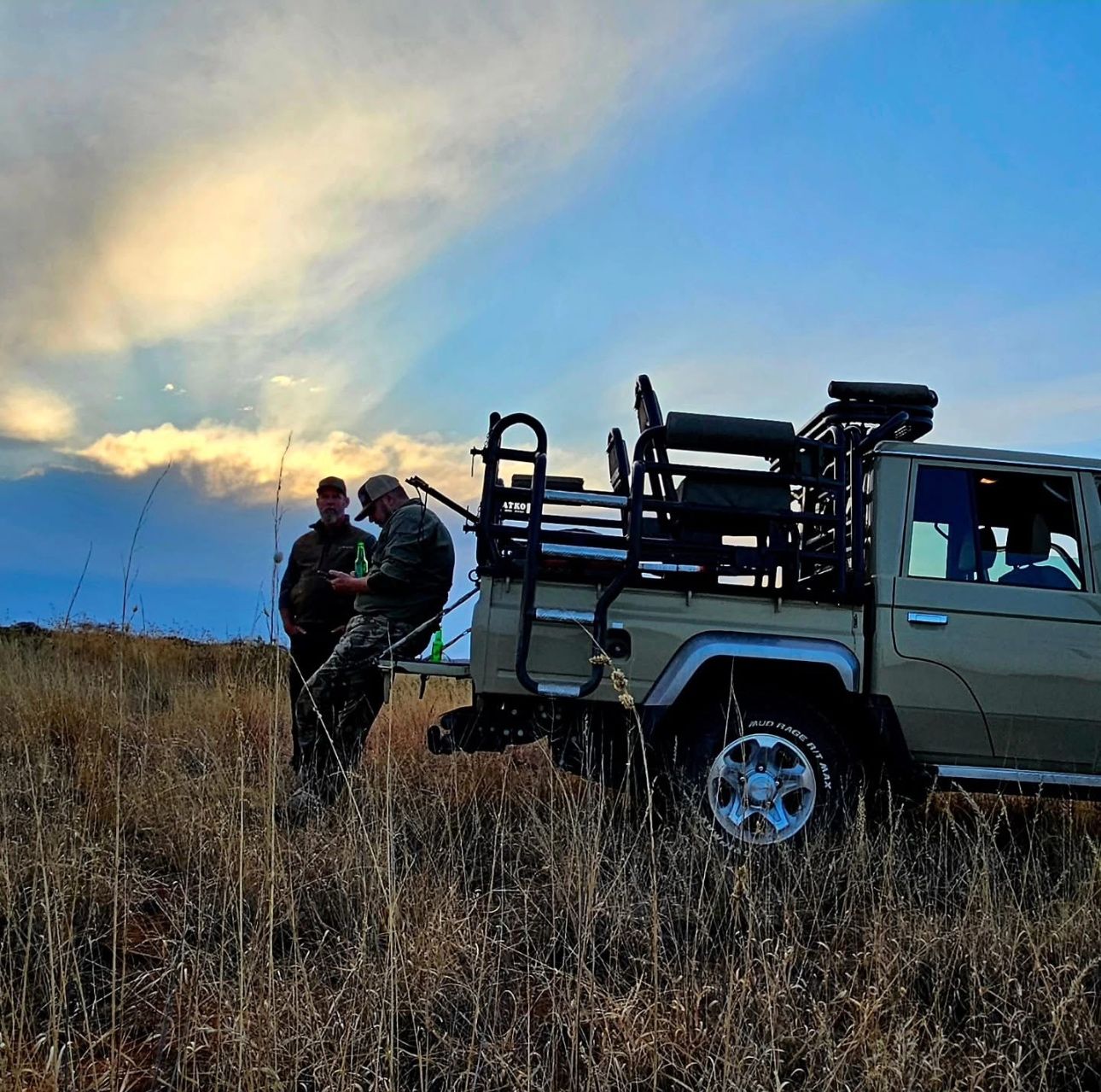
Photo Credit: Robert Byars of Stalk+Still
By : Brittanie Benavidez, Hunt Horizon
For many, the idea of hunting in Africa sparks a mixture of admiration and curiosity. Africa, filled there iconic species, vast savannas, and rich hunting heritage, its no wonder sportsmen and women from around the globe long dreams of coming to such a beautiful land. But beyond the adventure and adrenaline, hunting in Africa carries profound ethical guidelines and benefits for wildlife conservation and local communities alike. Here’s why international hunters continue to travel abroad—even when they can’t take the meat home. Which I bet a lot of you did know about.
Conservation Through Sustainable Use

Check out more at
Legal, regulated hunting plays a critical role in wildlife conservation across many African nations. Governments and landowners use carefully monitored quotas and science-based management strategies to ensure sustainable harvests.
Trophy fees paid by hunters help fund:
- Anti-poaching units
- Wildlife tracking and research
- Habitat protection and restoration
- Breeding and relocation efforts for endangered species
By assigning in real economic value to wildlife, ethical hunting incentivizes landowners and communities to protect animals and their habitats instead of converting the land for agriculture, development, mining, or livestock.
“Having hunting on the landscape as a viable land use means conservation. Many areas where hunting provides critical income are rural or not viable enough for photo safari operations. Agriculture may also not offer reasonable economic opportunities in areas where hunting now occurs. These considerations show that hunting provides important economic opportunities for many areas where other common forms of income are limited.” – SCI.org
Economic Support for Rural Communities
In many parts of southern and eastern Africa, hunting provides one of the few viable economic opportunities for rural populations. International hunters contribute directly to local economies by supporting:
- Creating More Jobs: Hunting allows for a growing Employment rate for trackers, professional hunters, cooks, camp staff, and game scouts
- Infrastructure development: building and maintaining the communities with things such as roads, schools, and medical clinics
- Community-based conservation programs: In countries like Namibia, Botswana, and Zimbabwe, community-managed conservancies receive a percentage of the hunting revenue, empowering them to steward both their land and wildlife management and protection.
The Meat Doesn’t Go to Waste
Due to strict international regulations regarding meat transport and animal health concerns, meat from legally hunted game cannot be exported by international hunters. However, your harvest is never wasted, and that means zero, goes to waste. So what is actually done with the harvested animals you might be asking yourself, and I have the answers for you.
When you travel internationally to hunt — especially in Africa — it’s important to understand what happens to the game meat from your harvest — in fact, it’s often one of the most meaningful parts of the experience.
Through a unique partnership with Robert Byars of Stalk + Still, Amy Bell Charities, and Safari Club International (SCI), Hunt Horizon ensures that every animal taken on our exclusive African hunts is used to its fullest potential.
Your harvest directly supports and changes lives:
- Local families and villages by providing much-needed protein
- Charitable outreach programs focused on feeding schools, clinics, and vulnerable communities
- Community conservation areas, where wildlife has direct value through sustainable use
These partnerships allow us to track and verify where your meat goes, ensuring it’s ethically handled, respectfully distributed, and truly impactful. You’re not just hunting — you’re feeding people, supporting rural economies, and helping build a stronger bond between conservation and community.
This is ethical hunting at its finest: conservation through action, and impact through intention.
This donation of protein has a significant impact in rural areas where access to fresh meat is limited.

“Amy Bell… hunter, horsewoman, philanthropist, friend to all.“
Preserving Culture and Tradition
Hunting is not just about conservation or economy—it’s about heritage, it’s about leaving the earth better than it was, It’s about being a part of something bigger. Many local trackers and professional hunters have generational ties to the land and its animals they are why we do it, they are why we keep going back, they are why we continue to serve . Ethical hunting sustains these traditions, skills, and cultural practices that might otherwise be lost and you can be a part of that for future generations.
The Trophy Isn’t the Only Takeaway
For most hunters, the true trophy isn’t just a set of horns or a mounted hide. It’s the experience, the knowledge gained and the friends made along the way:
- The challenge of tracking a mature animal across vast, wild terrain
- The bond built with local guides and trackers who become friends and someone we can share memories with.
- The knowledge gained from a deeply immersive adventure that you are so fortunate to experience.
Hunters often return home changed—with a deeper respect for wildlife and humans, a better understanding of conservation, and a commitment to preserving the land for future generations while standing up and protecting the ancestors who have fought hard to create these things.
What You Should Know Before Hunting in Africa
If you’re planning to book your first African hunt, here are a few things to keep in mind:
- Do Your Homework and ask the questions.
- You Can’t Export Meat, so let us take the best care of it for you and know you’re making a difference.
- Permits and Paperwork Matter: we make sure you have all necessary CITES permits and import/export documentation for your trophies.
- Firearm and Travel Rules Vary: Some hunters bring their own rifles, others rent locally.
- Respect the Culture: You are a guest in someone else’s homeland. Listen, learn, and lead with humility.
Final Thoughts
Hunting in Africa is about much more than filling a tag. It supports biodiversity, feeds communities, funds conservation, and deepens the connection between people and the wild. When done right, it’s one of the most powerful tools for preserving the very wildlife it pursues.
At Hunt Horizon, we proudly support and promote ethical, conservation-based hunting practices both at home and abroad. If you’re ready for the hunt of a lifetime—and to be part of something bigger than yourself—Africa is waiting.
Contact Hunt Horizon by phone at 803-766-4926 or via email at info.hunthorizon@gmail.com

Brittanie Benavidez, Owner Hunt Horizon. “Bringing you closer outdoors”


Leave a Reply